
In this era, the most effective and successful solution for replacing missing or damaged teeth is dental implants. The actual reasons for their demand for dental treatment are durability and a natural look, but many people are concerned about the dental implant pain that may accompany the procedure. If you’re thinking about getting dental implants, you’re probably wondering how much pain you’ll experience, both during and after the procedure.
Relax: in this article, you will learn about the dental implant procedure, post-surgery care, and pain management tips to help you make an informed decision.
What Happens During a Dental Implant Procedure?
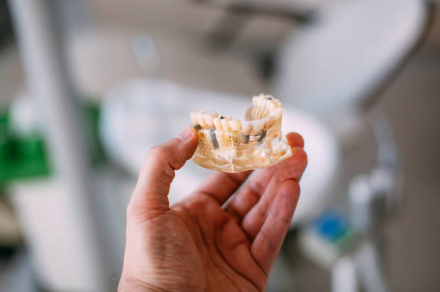
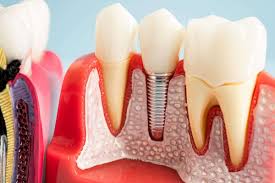
A dental implant procedure typically involves several steps. First, a titanium post is surgically placed into your jawbone to serve as a replacement root for a missing tooth. Then, after the post is placed, a crown or bridge is attached to the post, completing the implant process.
Before the surgery, your dentist will numb the area using local anesthesia for dental implants to ensure you don’t feel any pain during the procedure. Most patients report feeling some pressure or mild discomfort but no severe pain while the dentist works.
The level of dental implant pain varies depending on factors such as your overall health, the complexity of the procedure, and the number of implants being placed.
Is the Dental Implant Surgery Painful?
A major concern for people is whether the surgery itself will hurt during the implant procedure. While the idea of surgery might seem intimidating, the pain after tooth implant surgery is generally manageable, and most people don’t find it unbearable. You do not need to pay thanks to modern dental technology and local anesthesia; thanks to these, you can avail of a pain-free procedure in the recent era.
However, some discomfort may occur after the anesthesia wears off. This discomfort is a normal part of the healing process and is usually temporary. Your dentist may recommend pain relievers to manage any soreness in the days following the procedure. In some cases, patients may experience swelling, bruising, or a bit of discomfort around the implant site, but these symptoms usually subside after a few days.
Tooth Implant Recovery & What to Expect?
The tooth implant recovery process can take some time, and it’s important to follow the post-operative instructions given by your dentist for the best results. While you may experience some implant discomfort in the first few days after surgery, most people find that the pain is manageable with over-the-counter pain medications or as prescribed by their dentist.
The dental implant healing process is gradual and can take several months, as the titanium post needs to fuse with your jawbone in a process called osseointegration. During this time, you may notice some discomfort or swelling, but as your jawbone heals, the pain will decrease significantly. Many patients report that by the end of the first week, their pain has greatly reduced, and they can return to normal activities.
Managing Pain After Implant Surgery
The good thing about the surgery is that you can make your recovery as comfortable as possible by adopting different ways to manage your pain after implant surgery. Your dentist will also provide you with a prescription for pain relief or recommend over-the-counter pain relievers such as ibuprofen or acetaminophen.
There are some tips for the relief of dental implant pain that could help you during the recovery:
- Use Ice Packs: Applying ice to the affected area can help reduce swelling and numb the pain.
- Rest: Avoid strenuous activity and get plenty of rest to help your body heal faster.
- Follow Aftercare Instructions: Stick to your dentist’s advice for implant surgery aftercare, including any recommendations for oral hygiene, eating, and caring for your implants.
The recovery period varies depending on the individual. Most patients experience significant pain relief within a few days, while others may need to take things slow for a week or two.
How Long Does Implant Pain Last?
The duration of pain varies, but most patients experience the worst discomfort during the first 48-72 hours after the implant procedure. After this, pain typically decreases significantly, and by the end of the first week, you’ll likely feel much better. That said, some mild discomfort or soreness may linger for up to 2 weeks, especially when chewing or touching the implant area.
For those who undergo more complex procedures, such as bone grafting or sinus lifts, the pain may last a bit longer, but it’s still usually manageable. It’s important to note that everyone’s dental implant experience is different, so your recovery time and pain level may vary.
The Role of Local Anesthesia in Dental Implant Surgery
A key factor that contributes to a low level of pain during the procedure is the local anesthesia for dental implants. This numbs the surgical site, preventing any pain while the dental surgeon works. While you might feel some pressure or vibrations during the procedure, you shouldn’t experience any significant discomfort.
If you’re still nervous about the procedure, your dentist may offer sedation options, such as laughing gas or oral sedatives, to help you feel more relaxed. These options can further reduce anxiety and make the process feel more comfortable.
Aftercare for Dental Implants
Proper implant surgery aftercare is critical to ensure your implants heal well and reduce the risk of complications. During the initial healing phase, your dentist will advise you on how to care for the area around the implant. This may include recommendations such as:
- Avoiding hard or chewy foods that might irritate the surgical site.
- Keeping the area clean by gently brushing and rinsing with saltwater.
- Taking any prescribed medications as directed.
How to Speed Up the Healing Process?
As usual, the healing process will take some time. You should follow some steps during this time for a smooth recovery, which are as follows:
Stay away from smoking: You should abstain from smoking. It can slow down your healing process and increase the risk of infection.
Drinking water: Drinking plenty of water will help your body heal faster.
Eat Soft Foods: You should also use soft foods for a few days because they don’t disturb your surgical site.
With patience and proper aftercare, your implant can heal without further issues so that you can enjoy the benefits of your new permanent teeth.
Final Thoughts
Definitely, you have concerns about the pain of a dental implant. But the reality is totally different from it. You will feel some mild discomfort that could be easily managed. You should be grateful for local anaesthesia and effective relief options that make the dental procedure completely pain-free. The recovery process may involve some soreness, but with proper care, you’ll be back to your regular routine in no time.
If you’re considering dental implants, don’t let the fear of pain hold you back. You can consult with our experienced dentist or oral surgeon to learn more about the procedure and how it can benefit your smile.
Ready to take the next step toward a perfect smile? Book a consultation now and find out if dental implants are the right option for you.

