
Dental implants are a great option for those who have lost their teeth. Whether it’s from injury, decay, or aging, Dental implants can help you repair your smile. They restore both its appearance and function. However, several people continue to ask, “How much do dental implants cost, and what factors affect the price?” The cost of dental implants may vary greatly depending on many factors.
In this article, we will cover the usual expenses and the main factors that affect price. This way, you will know what to expect when thinking about dental implants as a treatment option.
What Are Dental Implants?
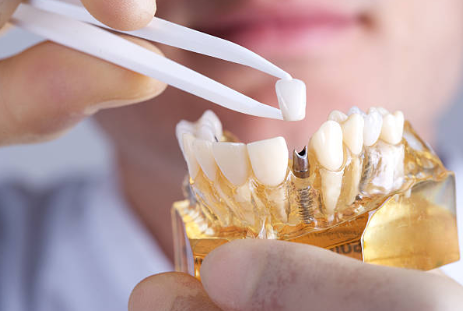
Before we get into the cost, let me explain what dental implants are. Consider a dental implant to be a metal post, usually made of titanium. It is surgically placed into the jawbone. After the implant has healed and joined with the bone, a crown (artificial tooth) is placed on top. Dental implants are designed to feel and function exactly like natural teeth. That is why they are popular among those who have lost teeth.
Average Cost of Dental Implants
Each dental implant typically costs between $1,500 and $6,000. But this only covers the actual cost of the implant. Extra expenses include the crown and the abutment, which joins it to the implant. Any additional dental procedures may increase the overall cost to $3,000 to $8,000 per tooth.
Remember that these prices are only averages. The cost varies according to where you live and which dentist you choose. This also depends on how difficult your situation is. It is also important to note that dental insurance normally does not cover implants. However, some plans may cover a part of the procedure.
What Factors Affect the Cost of Dental Implants?
Dental implants do not have a fixed price. Several factors may affect how much you will pay. Let us look at the major factors that may affect the cost.
1. Location and Dental Practice
Where you live might have a major effect on the cost of dental implants. For example, dental services in major cities or high-cost areas are usually more expensive. But if you live in a small town or rural location, the cost is usually lower. Also, your dentist’s reputation and experience might impact the pricing. Dentists with greater expertise and skill may charge more. But you could receive better care with results.
2. Type of Implant Used
There are several types of dental implants, and whichever one you choose will impact the overall cost. As an example, placing a traditional implant into the jawbone requires surgery. Mini implants are usually smaller and less expensive. Some implants are also designed for specific needs, such as for people with weak jawbones. Custom implants or those that need advanced technology may cost extra.
3. Pre-Surgery Procedures
Sometimes, you may need more procedures before a dental implant can be placed. As an example, if your jawbone is weak or insufficient, you may need a bone graft to strengthen it. This is done before the implant may be placed. That procedure can increase the total cost by $500 to $3,000, depending on the amount of work required.
Plus, with bone grafting, some people may need a sinus lift or gum treatment before having implants. Because each treatment has its own cost, the total might quickly increase.
4. Materials Used
The type of material used for the implant and crown may affect the pricing. Dental implants are usually made of titanium because of its strength, durability, and biocompatibility. However, some people may prefer zirconia implants. They are usually more expensive, but they may be a better solution for people with metal allergies.
Also, the crown’s material might vary. Porcelain crowns, which look very similar to natural teeth, are usually more expensive. Basic resin or metal crowns are usually less expensive. Your material choice will be based on factors such as appearance, strength, and personal preference.
5. Number of Implants Needed
If you require more than one dental implant, the total cost will obviously be higher. When you get multiple implants at once, you might be more likely to save money. In this case, if you need implants for many teeth, your dentist may give a discount. This also applies if you are getting a complete arch implant, which replaces all of the teeth in the upper or lower jaws.
6. Post-Surgery Care and Follow-ups
Dental implants take some time to recover. You will probably need a few follow-up visits to ensure that they are well bonded to your bone. These visits may be included in the overall cost of the procedure. If difficulties happen, more treatments may be needed, which might increase the cost.

7. Technology Used
Modern dental implants often use advanced technology to improve accuracy and success. For example, 3D imaging and computer-guided surgery help the dentist place the implant exactly where it is needed. This may reduce the likelihood of problems. These technologies may be more expensive, but they can help you heal more quickly and with better results. That is why the extra costs may be worth it.
Is the Cost of Dental Implants Worth It?
When considering whether dental implants are worth it, think about the long-term benefits. Dental implants are a lasting, permanent solution for missing teeth that may improve your quality of life. Implants, unlike dentures and bridges, don’t need specific maintenance. With careful maintenance, they can survive for many decades.
Dental implants maintain your jawbone healthy and prevent bone loss, which may happen when teeth are missing. This keeps your face’s natural shape and prevents the “sunken” appearance that may occur with tooth loss.
Even though dental implants might be expensive, many people believe they are worth it. Their lasting benefits and durability make them an excellent investment. Many people also feel that dental implants help them to eat, speak, and smile confidently. This makes them a good option for anyone with missing teeth.
How to Save Money on Dental Implants?
Even though dental implants are expensive, there are a few ways to reduce the overall cost. First, ask your dental insurance provider about coverage for dental implants, even if it is only partial. Some insurance plans cover the crown or abutment, so it is worth checking.
Another option is to look around and compare pricing at several dental offices. While you consider the dentist’s expertise and reputation, you should also look for the best deal for your needs. Also, some dentists provide payment plans or financing solutions to help people manage their dental bills.
Why Choose Seminole Shores Dental Care?
At Seminole Shores Dental Care, we focus on helping every patient achieve a healthy, confident smile through personalized care. Our experienced professionals take the time to understand your needs and offer advanced treatments like dental implants, bridges, and other restorative options.
Also, we ensure that your treatment is both comfortable and successful with modern technology, a friendly atmosphere, and a commitment to maintaining your dental health. We are committed to helping you restore a strong, beautiful smile and are excited to help your family in the Seminole area.
Schedule a Consultation Today
Dental implants are a permanent and effective solution for missing teeth. Even if the cost varies, the benefits are usually worth it. If you are considering dental implants, you should schedule a consultation with our dentist. They can provide you with a personalized quote based on your exact needs and guide you through the process. This is the time to brighten your smile and gain your confidence. So, schedule a consultation today and continue your journey to a healthier smile.

