
Yes, dental implants are very safe, with a 95% to 98% success rate when placed by an experienced dentist. Minor risks exist, like with any surgery, but major complications remain genuinely rare. This makes implants one of the most reliable tooth replacement options for missing teeth.
If you are comparing dental implant benefits against dental implant risks before agreeing to treatment, knowing the real numbers can help you make a confident decision. This article explains exactly what the research says about implant safety and what implant recovery looks like. It also explains how to protect your oral health throughout the procedure, so you know what to expect.
More Details About It!
Dental implants are generally considered very safe. They have a strong dental implant success rate when placed by an experienced provider. The materials used, titanium or zirconia, are biocompatible, which means the body usually accepts them well without triggering rejection.
Minor risks exist, like any surgical procedure, such as temporary swelling or discomfort after surgery. However, dental implant safety has improved significantly over the years. Serious complications are now the exception rather than the rule, thanks to advances in imaging, materials, and surgical techniques.
Common Risks of Dental Implants
Knowing the risks of dental implants upfront helps create realistic expectations before treatment starts.
Biological Complications
These risks are related to how the body responds to the implant and surrounding tissue. They can include infection, inflammation, or issues with the jawbone density that supports the post.
Complication |
What It Is |
How Common |
| Peri-implant mucositis | Reversible gum inflammation around the implant | Up to 50% of patients |
| Peri-implantitis | Serious infection that can cause bone loss | 10 – 15% long-term |
| Failed osseointegration | Implant doesn’t properly bond with the jawbone | Uncommon |
| Nerve or sinus issues | Rare complication from improper placement | Rare |
Mechanical Complications
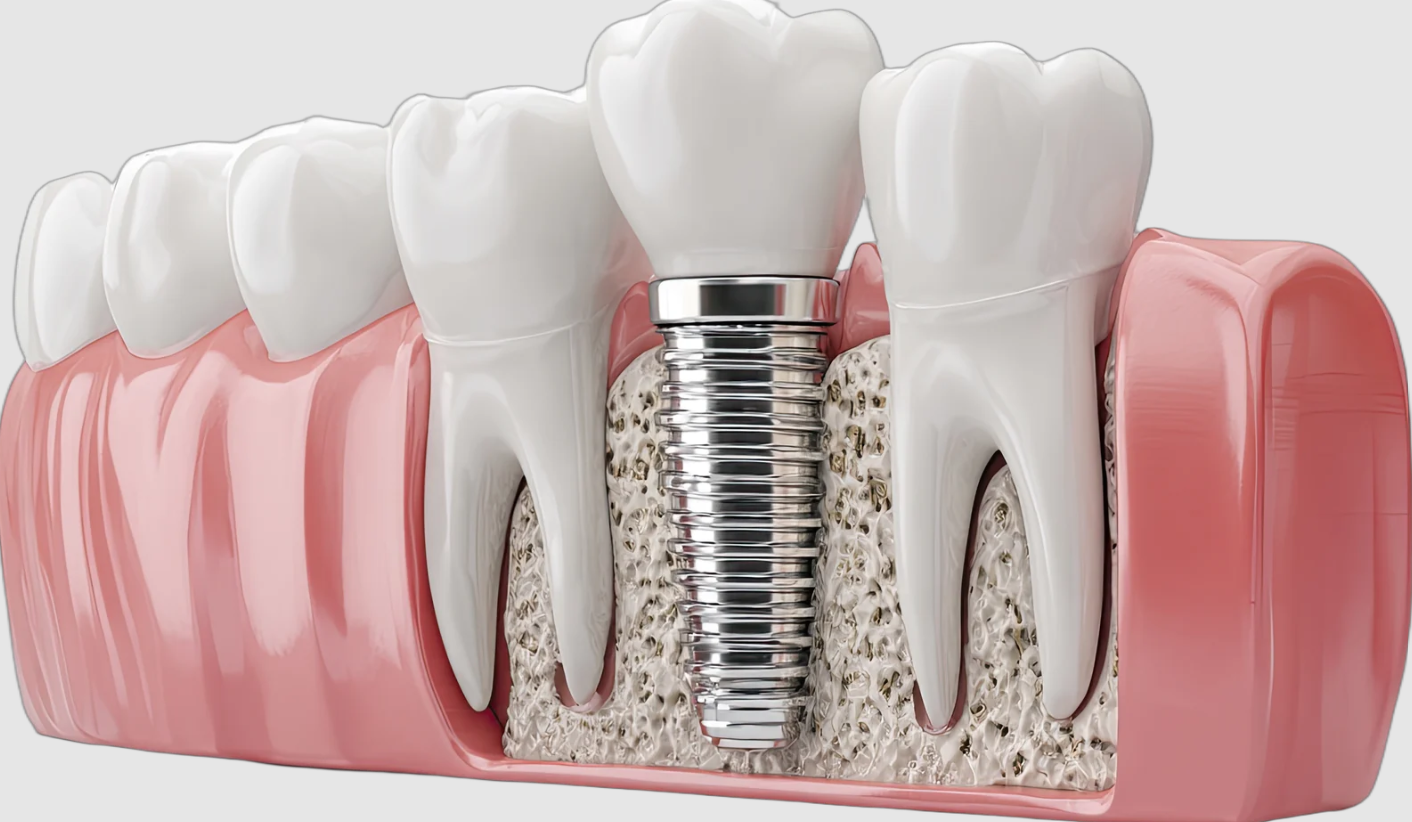
These concerns are about the physical components of the implant system rather than the body’s biological response. Screws and abutments can loosen with time, and crowns can chip or fracture under severe biting force. However, the implant post itself is built to last. The attached prosthetics may require repair after 10 to 15 years of regular wear.
Who Is Most at Risk for Dental Implant Complications?
Many health and lifestyle factors genuinely raise the risk of complications, such as infection, implant failure, or delayed healing. Smoking reduces blood flow and significantly slows healing. This makes it one of the most serious risks for implant failure.
Medical conditions like diabetes, osteoporosis, or autoimmune disorders can affect bone healing and increase infection risk. Poor oral hygiene, low bone volume, and choosing an inexperienced practitioner also increase risk. However, many of these factors can be managed with the right planning and an experienced periodontist or prosthodontist guiding treatment.
Real Benefits of Dental Implants
- One of the most important benefits of dental implants is that they provide really long-lasting tooth replacement that preserves jawbone density in ways that removable options simply cannot. A titanium implant post or a zirconia implant bonds directly to the bone. This keeps it stimulated and healthy over time.
- Beyond durability, implants restore natural chewing function and maintain a confident, healthy smile without the slipping that is associated with dentures.
- Implants are the preferred long-term solution for many patients missing one or more teeth due to their numerous benefits.
These dental implant benefits make implants an ideal long-term solution for many patients missing one or more teeth.
What Does the Dental Implant Procedure Involve?
A typical dental implant procedure starts with a thorough evaluation, which includes imaging to assess jawbone health before implant placement. If your bone density is insufficient, your provider may consider a bone graft to help create a stronger foundation.
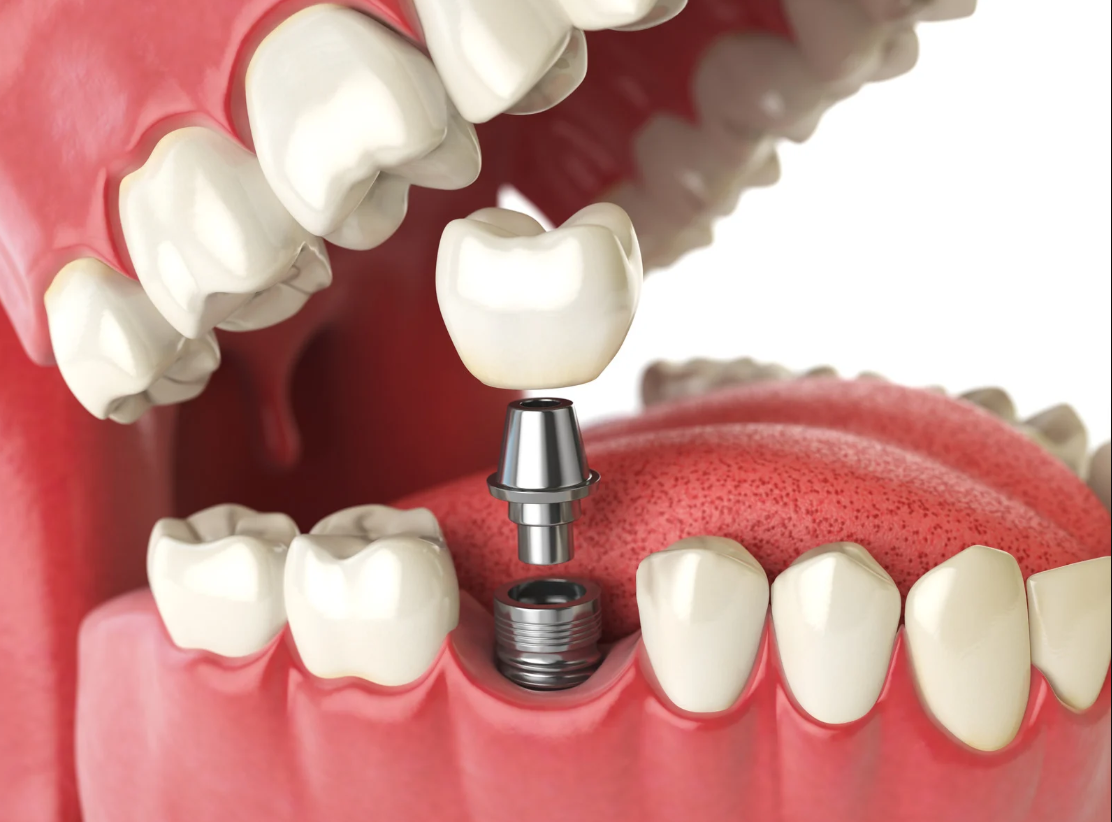
An oral surgeon or specialist then places the titanium post into the jawbone. This allows for several months of osseointegration before joining the abutment and crown. Thorough pre-operative planning and 3D imaging significantly lower the risk of nerve or sinus problems during this process.
Implant Recovery
Most patients have minor pain and swelling for a few days after surgery. It is treatable with over-the-counter pain relief and a soft-food diet. This first phase of implant surgery recovery usually improves significantly within a week.
Full healing and osseointegration take several months. During this time, the jawbone slowly fuses with the implant post. During this healing process, it is important to follow your dentist’s aftercare instructions. It can help lower the risk of future dental implant complications.
How Can You Reduce Your Risk and Ensure a Safe Outcome?
Choosing an experienced provider is one of the best methods to ensure safe tooth replacement from the beginning. An experienced team properly assesses bone density and carefully plans placement. They use modern imaging to avoid sensitive structures.
Maintaining good gum tissue health through regular brushing and flossing can significantly reduce risk. Avoiding smoking and managing any underlying health concerns can also be helpful. These combined efforts are responsible for the current high rate of implant success.
FAQs
What is the safest dental implant material?
The safest dental implants are made of titanium or zirconia because both materials are biocompatible, non-toxic, and FDA-approved. Your provider can help you decide which materials are the best fit for your specific needs and preferences.
How many years will a tooth implant last?
A dental implant post might last for 25 to 30 years, or maybe a lifetime. However, the visible crown on top usually lasts 10 to 15 years. Good oral hygiene and regular checkups both help to extend this lifespan.
What percentage of dental implants fail?
Dental implants have a success rate ranging from 95 to 98%. This means that failure is relatively rare. Most failures are related to smoking, uncontrolled health issues, poor oral hygiene, or insufficient jawbone density.
Is dental implant surgery painful?
During recovery, most patients report only mild discomfort. This is usually treatable with over-the-counter pain medicines. The treatment is done under anesthesia, so there will be no pain during surgery.
Can smoking affect implant safety?
Yes, smoking increases the chance of implant failure because it reduces blood flow and slows healing. Stopping smoking before and after surgery has a significant impact on long-term success.
Final Thoughts
Dental implants are truly safe for most patients, with a 95 to 98 percent success rate and years of clinical use. While risks such as infection or implant failure occur, they are quite uncommon. They are especially uncommon when treatment is carefully planned by an experienced provider.
At Seminole Shores Dental, our team educates each patient with honest, personalized guidance on dental implant risks and dental implant benefits. This happens before any treatment plan is suggested. We believe in providing transparent care that protects both your oral health and your peace of mind.
If you are thinking about getting dental implants for missing teeth, schedule a consultation with Seminole Shores Dental now to see whether they are right for you.

