
Article Summary
A dental veneer is a permanent treatment since the dentist will have to grind a thin layer of the enamel on the front of the tooth in order to apply the veneer. And enamel does not regenerate once it is gone. The irreversibility of traditional veneers comes less from the material itself and more from the step of attaching the veneer. After enamel removal, the tooth will need some form of coverage in the future, including the original veneer, a replacement veneer, or another type of restoration like a dental crown.
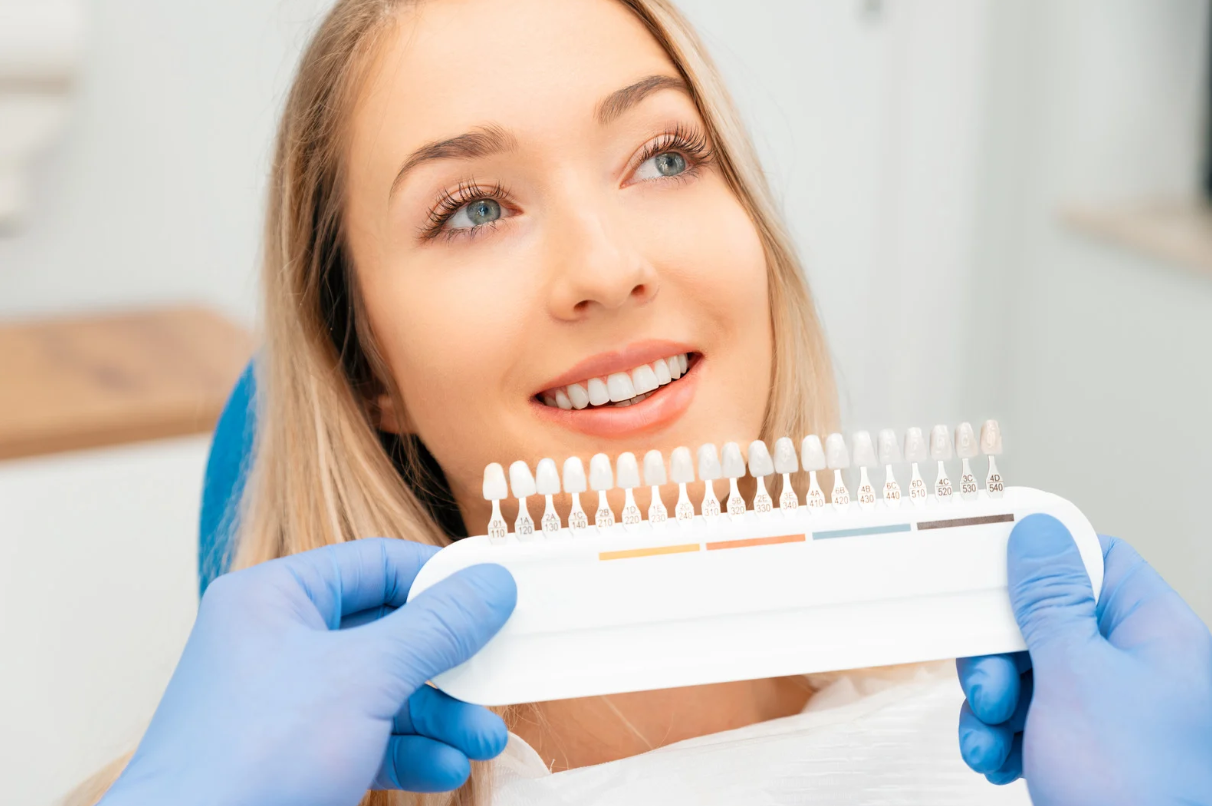
Are Dental Veneers Permanent?
Dental veneers are permanent as they involve removing a thin layer of natural dental enamel, which cannot grow back. That’s why traditional porcelain veneers and composite veneers, although the veneer shells may not be permanent, are irreversible cosmetic dental treatments. You will be better prepared to make a decision on whether or not to get veneers to make your smile look better if you understand what the term “permanent” means.
This guide will take patients through the procedure and explain a veneer’s longevity and how to keep a smile looking natural in the upcoming years.
Why Are Veneers Considered an Irreversible Procedure?
Tooth preparation, where your dentist shaves down a small amount of the enamel, is irreversible, making veneers irreversible. This preparation allows the porcelain or composite resin veneer to sit flush against your tooth rather than look bulky or unnatural. After this layer of dental enamel is removed, your tooth will rely on a veneer or other restoration for protection and appearance for the long term.
Unlike other methods like teeth whitening or dental bonding, which do not remove tooth structure, veneers can be adjusted or removed. Dentists call them a long-term commitment because they involve removing enamel and are not considered a temporary solution.
Do Veneers Last Forever?
The veneers do not last forever, and even the enamel removed from the back. With most porcelain veneers, the procedure lasts for 10 to 15 years without needing to be replaced, but composite veneers should be replaced sooner, within five to seven years. The lifespan of your veneers depends on the type of veneers you get, your bite, and how well you care for them.
If the underlying tooth structure is in good condition, replacing a worn veneer is usually relatively simple. The table below indicates the impact on their respective lifetimes.
Veneer Type |
What’s Involved |
What Affects the Lifespan |
| Porcelain Veneers | Custom ceramic shells bonded to the tooth after light enamel removal | Bite force, teeth grinding habits, quality of home care |
| Composite Veneers | Composite resin veneer shaped and hardened directly on the tooth | Material quality, staining habits, how often touch-ups are done |
| No-Prep / Minimal-Prep Veneers | Thin shells placed with little to no enamel removal | Case selection, tooth position, dentist experience |
Are There Any Reversible Veneer Options?
Some patients may be a good candidate for a no-prep or minimal-prep veneer, since very little or no natural enamel needs to be removed. These veneers work best for small, thin teeth with room to accommodate the shell, since only a minimal amount of preparation is required before bonding. Not all patients need them, and a cosmetic dentist can evaluate your teeth to determine whether a minimal-prep option will look natural with no added bulk.
Even if the veneer is not bonded, it will be properly secured so it does not slip off easily, such as a retainer. These options are less invasive than being completely reversible.
How Do Veneers Compare to Other Cosmetic Dental Treatments?
Veneers are more permanent than dental bonding, don’t stain easily, and last longer. A dental crown, however, requires removing more natural tooth structure than veneers because it covers the full surface of the tooth, not just the front. Your right choice typically depends on the extent of correction needed and how long you want the bite to last.
Option |
Enamel Removed? |
Reversible? |
| Traditional Porcelain or Composite Veneers | A thin layer removed from the front of the tooth | No |
| No-Prep Veneers | Little to none removed | Often, depending on the case |
| Dental Bonding | Little to none removed | Yes, in most cases |
| Dental Crown | A larger portion removed and reshaped | No |
How Can You Keep Veneers Looking Good for Longer?
The key to maintaining veneers’ appearance is proper oral health habits and a few extra measures, since the veneer surface can chip or stain if not handled properly. Daily brushing and flossing help maintain the health of the teeth and gum tissue around each veneer, and avoiding hard foods and wearing a night guard (if you grind your teeth) help prevent cracks. According to the American Dental Association, placing a veneer is irreversible because it requires enamel removal. That’s why long-term dental veneer maintenance matters.
Regular checkups with your family dentistry provider can catch small issues, such as a lifting edge or minor stain, before they become bigger problems. A cosmetic dentist or restorative dentist at Seminole Shores Clinic can also identify habits unique to your bite that may be damaging your veneers more than you would expect.
Frequently Asked Questions
Are dental veneers permanent?
Yes, in a sense. To place a veneer, your dentist has to shave off a very thin layer of enamel that does not grow back. The veneers themselves aren’t permanent, though; most need to be replaced after 10 to 20 years.
Can veneers be removed?
Traditional veneers don’t need to be removed once they are bonded, since the underlying enamel has already been reshaped. But they’re still not designed to be easily reversible.
How long do porcelain veneers last?
With proper care, porcelain veneers last about 10 to 15 years, and some patients get even longer use out of them. Composite veneers should be replaced sooner, often within 5 to 7 years.
Do veneers damage your natural teeth?
Veneers involve removal of a small layer of enamel, which permanently changes the tooth structure. Beyond that, veneers protect the tooth’s front surface instead of causing further damage.
Are no-prep veneers a better option?
No-prep veneers preserve more natural enamel and work for certain cases, but they don’t suit every patient or every tooth. A cosmetic dentist will check whether your teeth are a good fit.
What happens when a veneer needs replacing?
Because the tooth underneath has already been prepared, replacing a veneer is simpler than the original procedure. Your dentist removes the old veneer and places a new one there.
How do I take care of my veneers?
For good veneer care, brush and floss daily, avoid hard foods that can chip the surface, and wear a night guard if you grind your teeth. Regular dental checkups also matter to catch small problems early.
Final Thoughts
Dental veneers are permanent because the thin layer of enamel taken off to place them never grows back. The veneers themselves don’t last long; you will need to replace them after 10 to 20 years.
Whether you choose traditional porcelain veneers, composite veneers, or a minimal-prep option, it’s important to understand this trade-off before deciding what fits your long-term goals for a natural-looking smile. The team at Seminole Shores Clinic can help you choose the option that best fits your teeth, your budget, and how much veneer care you’re willing to do to keep them looking great.
If you’re thinking about veneers and want to know whether they’re the right fit, schedule a Consultation with Seminole Shores Clinic today and get clear answers before you decide

