
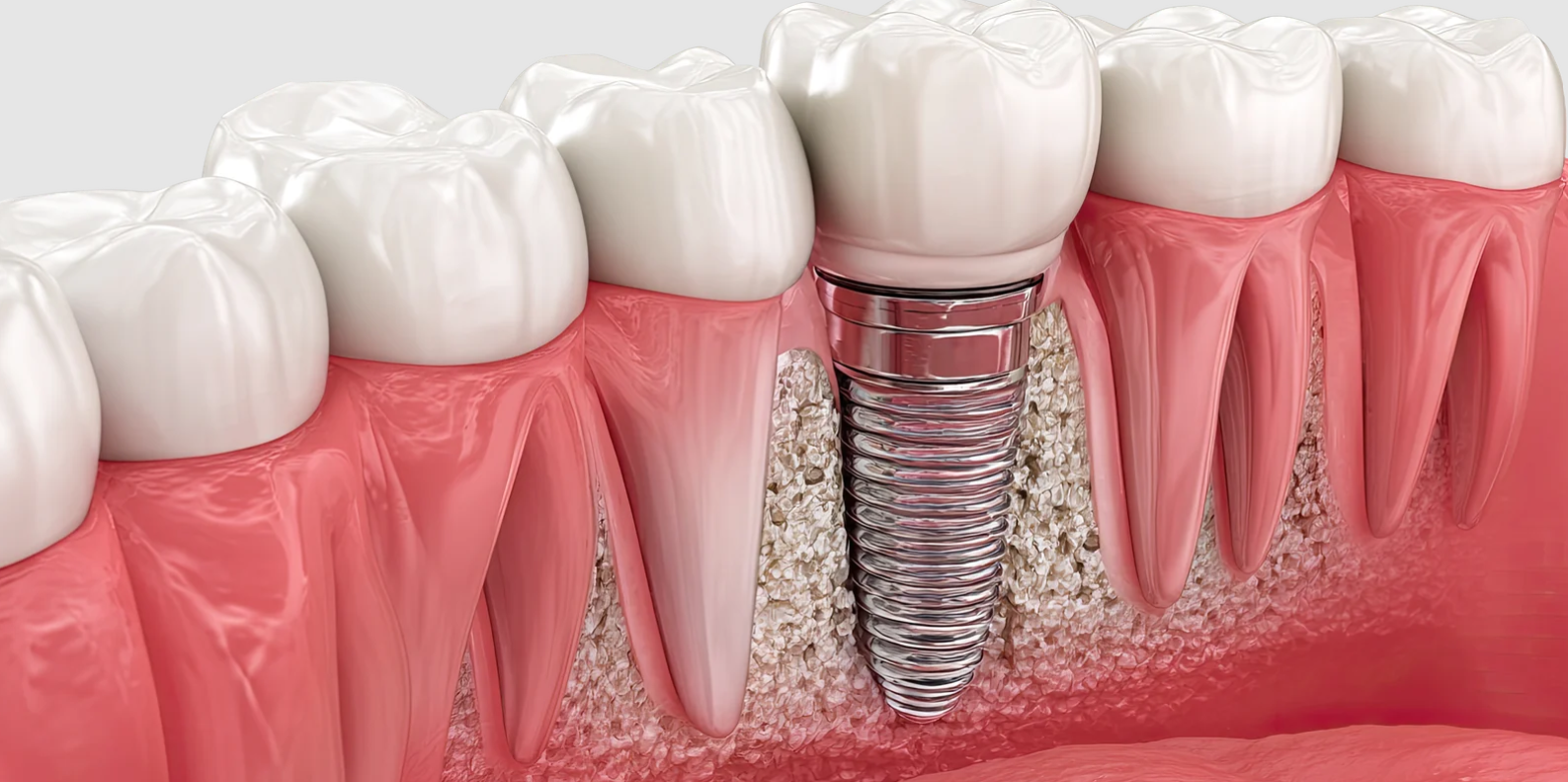
Dental implants can last 25 years or even a lifetime because the titanium implant post is permanently attached to your jawbone. But the visible crown on top usually requires replacement every 10 to 15 years due to normal daily wear from chewing.
If you’re considering tooth replacement options for missing teeth, you need to understand that dental implant longevity upfront will help you make a truly informed decision.
In this article, we will discuss exactly how long each part of an implant lasts and what factors affect that lifespan. Also, learn what real implant care looks like over the years. If you’re comparing dental implant cost as compared to other options or simply worried about dental implant benefits. We at Miami Orthodontics are ready to help.
How Long Do Dental Implants Actually Last?
Dental implants are made to be permanent, and research shows 90 to 95 percent remain successful over 10 years. Several implants last 20 years or longer, though the lifespan of dental implants differs by component because each part experiences different amounts of daily wear.
Component |
Function |
Typical Lifespan |
| Titanium post (implant) | Attached to the jawbone to act as an artificial root | Lifetime |
| Abutment (connector) | Joins the post to the visible crown. | Lifetime with proper care |
| Crown (artificial tooth) | Visible portion of the tooth utilized for chewing | 10 – 15 years |
After research, we find that 50 to 80 percent of crowns last 15 to 20 years. Because the crown experiences daily wear and tear that the buried titanium post never faces. You’ll be glad to know that a dental implant crown costs much less than the implant itself and is far simpler to replace when the time comes.
What Affects the Lifespan of Dental Implants?
Many factors affect how long dental implants last for any given patient, ranging from daily habits to underlying health conditions.
Oral Hygiene and Gum Health
Daily brushing, flossing, and professional cleanings help you to stop plaque buildup around the implant and protect gum health over time. If you don’t follow a consistent routine, plaque can lead to peri-implant disease, which causes inflammation and, if untreated, implant failure.
Smoking and Overall Health
Tobacco use slows healing and weakens the bone that holds the implant, directly affecting jawbone health. It’s important to control medical conditions; well-managed diabetes often leads to better, more durable outcomes than untreated or poorly controlled diabetes.
Teeth Grinding (Bruxism)
Stop clenching or grinding, because it puts heavy, repetitive stress on your crown and surrounding bone, which may loosen the screw or interfere with osseointegration. The process by which bone attaches to the implant post. A nightguard frequently helps protect implants in patients who grind their teeth.
Surgeon Experience
A skilled implant dentist or oral surgeon designs and places implants with greater precision. It also reduces the risk of poor positioning or premature crown attachment. It’s important to choose a professional provider for durable implant success.
Jawbone Quality and Age
Minimal jawbone density may prevent a stable foundation, which is why providers check bone quality with X-rays or 3D imaging beforehand. Patients between the ages of 60 and 79 had a much greater probability of implant failure than those under 40, in part because of slower healing rates.
Benefits of Choosing Dental Implants
When it comes to tooth replacement options, implants are unique in that they replace both the visible part of the tooth and its root. Also, they maintain jawbone density in a way that bridges and dentures simply can’t. This makes them the best option among dental implant-driven solutions for replacing missing teeth.
Beyond function, implant-supported prosthetic tooth options look and feel remarkably natural, restoring confident chewing and a healthy smile without the shifting or discomfort that comes with removable dentures. These dental implant benefits are one of the main reasons implants have become a preferred option in modern restorative dentistry.
How Much Do Dental Implants Cost?
Dental implant costs vary based on the number of implants needed, the materials used, and whether additional procedures, such as bone grafting, are required beforehand. Although implants frequently carry a higher upfront cost than bridges or dentures, their durability often makes them more affordable over a lifetime of permanent tooth replacement.
Several dental insurance plans provide partial coverage for implants when classified as medically necessary. It’s important to confirm your specific benefits during your consultation. A clear conversation about cost in advance may help you plan confidently before starting implant-supported teeth treatment.
What Does Implant Care Look Like Long-Term?
Maintaining long-lasting dental implants is similar to caring for natural teeth, but consistent brushing, flossing, and regular dental checkups make a huge difference. It’s important to avoid sticky or hard foods and never use teeth as tools, which also protects the crown from unnecessary cracks or damage.
Regular checkups let your dentist monitor the durability of your dental implants over time; they detect early signs of gum inflammation or bone loss before they worsen. This continuous implant care is what allows most implants to comfortably outlast their original crown.
What Does the Dental Implant Treatment Process Involve?
Implant treatment usually starts with a complete checkup, which includes imaging to check jawbone quality before the titanium implant post is surgically placed. Over the following months, the bone slowly attaches to the post through osseointegration, which creates a stable, permanent foundation.
Once healing is complete, an abutment and a custom crown are attached, completing the visible portion of the tooth. From the checkup to the final crown placement, the process may take many months, though the durable payoff is a stable, natural-looking replacement tooth.
FAQs
What happens to a dental implant after 20 years?
At most, four out of five dental implants remain functional after 20 years, though the visible crown frequently shows wear and may need replacement. The titanium post itself usually continues functioning well beyond that milestone.
How many times can a dental implant be replaced?
There’s no specific numerical limit on how many times a dental implant can be changed. But the treatment is practically limited by the volume and health of your remaining jawbone.
Do dental implants ever fail?
Obviously, though, failure is relatively uncommon, with 90% to 95% of implants remaining successful over 10 years. Some of the most common causes of early failure, which include poor oral hygiene, smoking, teeth grinding, and certain medical conditions.
Is bone grafting always necessary before getting an implant?
No, bone grafting is only required when there isn’t enough natural jawbone to support a stable implant. Your provider will assess your bone density using imaging to determine whether grafting is necessary.
How often should I see my dentist after getting an implant?
Some patients benefit from a checkup and cleaning every six months, similar to natural teeth. Regular visits help your dentist to check gum health and detect any early signs of trouble around the implant.
Can smoking really affect how long an implant lasts?
Obviously, smoking slows healing and weakens the bone supporting the implant, increasing the risk of complications and failure. If you reduce or quit smoking, it may meaningfully improve durable implant success.
Final Thoughts
Dental implants provide some of the most long-term tooth replacement options available, with the titanium post frequently lasting a lifetime and the crown usually requiring replacement every 10 to 15 years. Oral hygiene, smoking habits, teeth grinding, and surgeon experience all play an important role in how long your implant ultimately lasts.
At Seminole Shores Dental, our skilled team walks every patient through honest, personalized guidance on implant treatment, from initial checkup to long-term implant care. We think that clear suggestions help you protect your investment and your healthy smile for decades to come.
If you’re considering dental implants to replace missing teeth, book your consultation with us now to discuss your options.

