
The three main types of dental implants are Endosteal, Subperiosteal, and Zygomatic implants, each designed to address different levels of jawbone health and bone loss. When weighing tooth replacement options for missing teeth, you must know these three categories for finding the right fit.
With modern dentistry and advanced dental care, nearly every patient experiencing tooth loss has a solution for restoring their smile. In this guide, we will discuss how each implant type works, who it is best suited for, and what you can expect during your evaluation.
What Are the 3 Types of Dental Implants?
The 3 types of dental implants are Endosteal, Subperiosteal, and Zygomatic. Each one deals with a different amount of jawbone and a different situation. After a close look at your jaw and overall oral health, your provider will recommend the option that best fits you.
While Endosteal implants are still the most common, Subperiosteal and Zygomatic implants exist for a reason. They are made specifically for patients who do not qualify for traditional implants. And if you have been told before that “implants are not for you,” knowing about all 3 options can be a big relief. One of these alternative approaches still gives you a permanent, fixed solution.
1: Endosteal Implants (The Most Common Option)
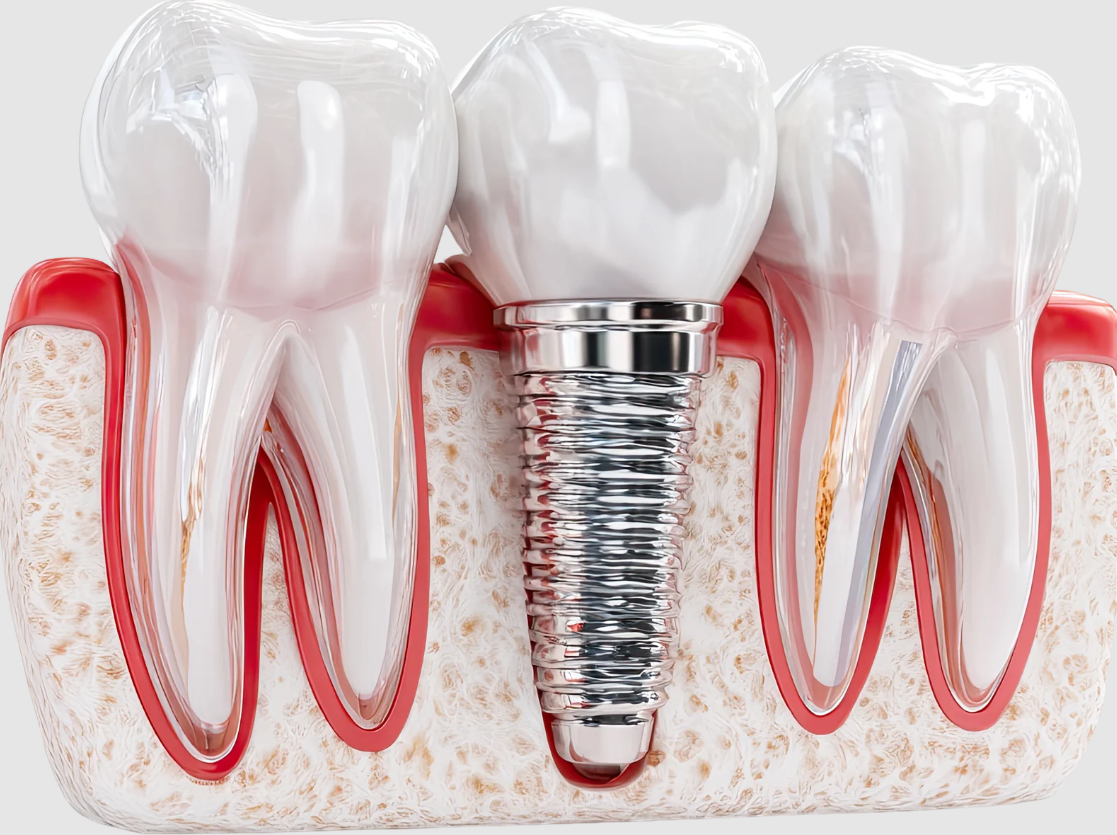
Endosteal implants are the most common type of dental implant. They use small titanium or zirconia screws that are placed directly into your jawbone to serve as artificial tooth roots.
How Endosteal Implants Work
Your surgeon places the titanium implant post or zirconia implant right into the jawbone. Then comes osseointegration, when your bone naturally grows around and fuses to the implant. It is something that makes such a strong, long-term foundation. Once you have healed, a dental crown or an implant-supported bridge is attached on top. And it results in a replacement tooth that looks, feels, and functions much like your natural tooth.
Who Endosteal Implants Are Best For
This is the go-to option for most healthy adults who are missing one or more teeth. You just need good, healthy jawbone density to support the post and let it fuse properly.
2: Subperiosteal Implants (An Alternative for Low Bone Density)
Subperiosteal implants are an option for patients who do not have enough healthy bone height for traditional Endosteal implants.
How Subperiosteal Implants Work
Instead of going inside the jawbone, a custom metal framework is placed on top of your bone, but under the gum tissue. Small posts stick up through the gums to hold your replacement, implant-supported teeth in place.
Who Subperiosteal Implants Are Best For
This option is best for people with low bone density who want to skip bone grafting. With Subperiosteal implants, you can restore a functional, confident smile with no extra surgery and healing time that grafting usually requires.
3: Zygomatic Implants (The Rarest and Most Complex Option)
Zygomatic implants are the rarest and most complex type of dental implant. They are reserved for patients with major structural problems in the upper jaw.
How Zygomatic Implants Work
These implants are much longer than traditional ones. Instead of anchoring into the upper jaw, they go directly into your cheekbone, the zygoma. They help bypass areas where bone loss would otherwise make regular implants impossible.
Who Zygomatic Implants Are Best For
This is for patients with severe upper-jaw bone loss who cannot use traditional implants or bone grafts. When other options are not structurally possible, Zygomatic implants can still provide a permanent solution.

What Are the Benefits of Dental Implants?
Dental implant benefits are not about looks. They protect your whole oral health long-term. Because implants fuse with your jawbone, they prevent the bone loss that usually happens after you lose a tooth and do not replace it.
According to the American College of Prosthodontists, about 178 million Americans are missing at least one tooth. It shows how common the need for reliable, permanent tooth replacement really is. In addition to preventing bone loss, implants restore normal chewing and clearer speech. Dentures and bridges can help, but they do not always feel the same or work as well over the long run.
Who Are Good Dental Implant Candidates?
For dental implant candidates, there is a need for adequate jawbone health, healthy gums, and no uncontrolled conditions that slow healing, such as unmanaged diabetes. But here is the good news: due to Subperiosteal and Zygomatic options, even patients who do not qualify for standard implants often still have a path to a fixed, healthy smile with the special plan.
The only way to know for sure which implant is right for you is a complete evaluation. It usually includes 3D imaging of your jaw to match the implant type to your specific anatomy and goals.
FAQs
What is the most common type of dental implant?
Endosteal implants are the most common. These are small titanium or zirconia screws that go directly into your jawbone. They act like artificial tooth roots.
What if I don’t have enough jawbone for implants?
If your bone density is low, you may still be a candidate for subperiosteal implants. Instead of going inside the bone, these sit on top of the jawbone under the gum. The best part? You usually do not need bone grafting.
Who needs Zygomatic implants?
Zygomatic implants are for people with severe bone loss in the upper jaw. If traditional implants or bone grafts do not work for you, these anchor into your cheekbone instead to create a solid foundation.
What is osseointegration?
Osseointegration is the process in which your jawbone naturally grows around and fuses with the implant post. That is what makes the implant feel stable and strong, just like a real tooth root.
Are titanium or zirconia implants better?
Both work great. Titanium has been used for decades and has the most research behind it. Zirconia is metal-free and tooth-colored, so it is a good option for some patients who want that look.
How do I know which implant type is right for me?
We will do a full dental evaluation, including images of your jawbone. It helps us see your bone density and overall oral health so we can recommend the best implant type for you.
Do all three implant types require surgery?
Yes. All three involve a surgical procedure. The difference lies in how complex it is and how long recovery takes, which depends on which type you need.
Final Thoughts!
Whether you need Endosteal, Subperiosteal, or Zygomatic implants, modern dentistry has a solution for almost every level of bone density and jaw health. By knowing about these 3 implant types, you feel confident talking with your dentist about the best option for you.
At Seminole Shores Dental Care, we conduct personalized evaluations to determine which implant is the right fit for your smile. Schedule a consultation right now for a confident, healthy smile.
Schedule a Consultation Today!

